What Is Addiction?
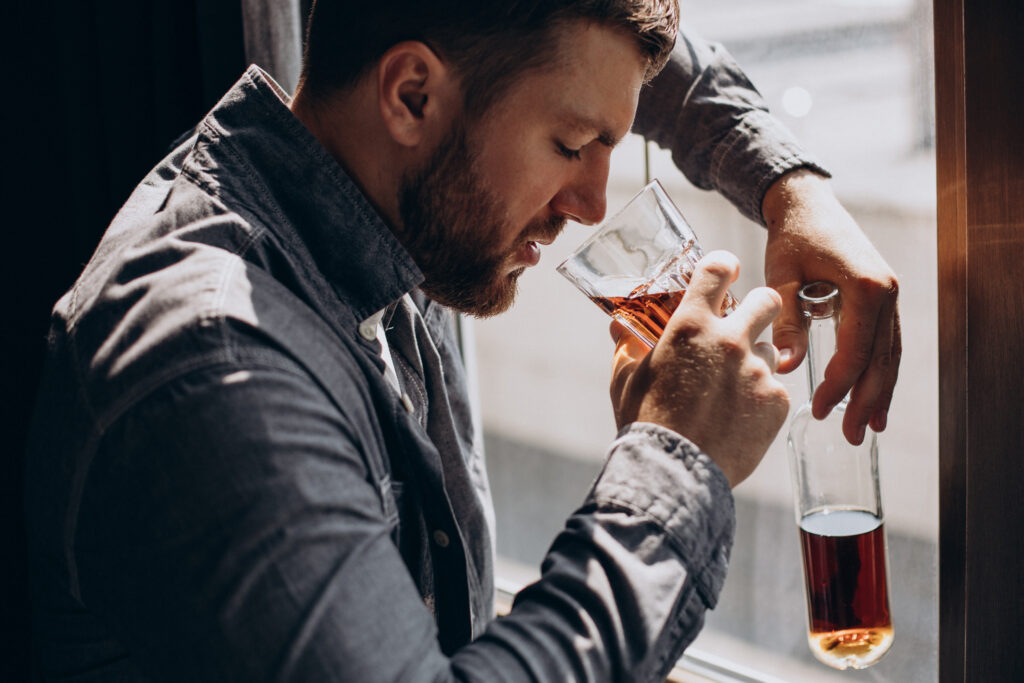
Addiction is not a weakness or lack of willpower—it is a chronic disease that affects the brain and body. It changes the way people think, feel, and behave, making it difficult to stop using drugs or alcohol even when it causes harm. Over time, addiction takes away choice and control, replacing them with cravings and compulsive behaviors.
How Addiction Affects the Brain & Body
Signs & Symptoms of Addiction
Addiction looks different for everyone, but common signs include:
- Loss of control over substance use
- Strong cravings or urges to use
- Continuing to use despite negative consequences
- Neglecting responsibilities at work, school, or home
- Withdrawing from friends, family, or activities once enjoyed
- Needing more of the substance to feel the same effect (tolerance)
- Withdrawal symptoms when not using
Why Addiction Is Treatable
The good news is that addiction is treatable. With the right combination of support—treatment programs, counseling, medication, and peer groups—individuals can and do recover every day. Recovery is not a single event, but an ongoing process of healing and growth.
Resources for Learning More
- SAMHSA National Helpline: 1-800-662-HELP (4357) — Free, 24/7 treatment referral and information.
- National Institute on Drug Abuse (NIDA): nida.nih.gov — Research and educational resources.
- National Institute on Alcohol Abuse and Alcoholism (NIAAA): niaaa.nih.gov — Alcohol-specific education and tools.