
A Safe & Structured Environment
For many people, moving directly from treatment back into daily life can feel overwhelming. Sober living homes in NH offer routine, accountability, and peer encouragement that make the transition smoother.
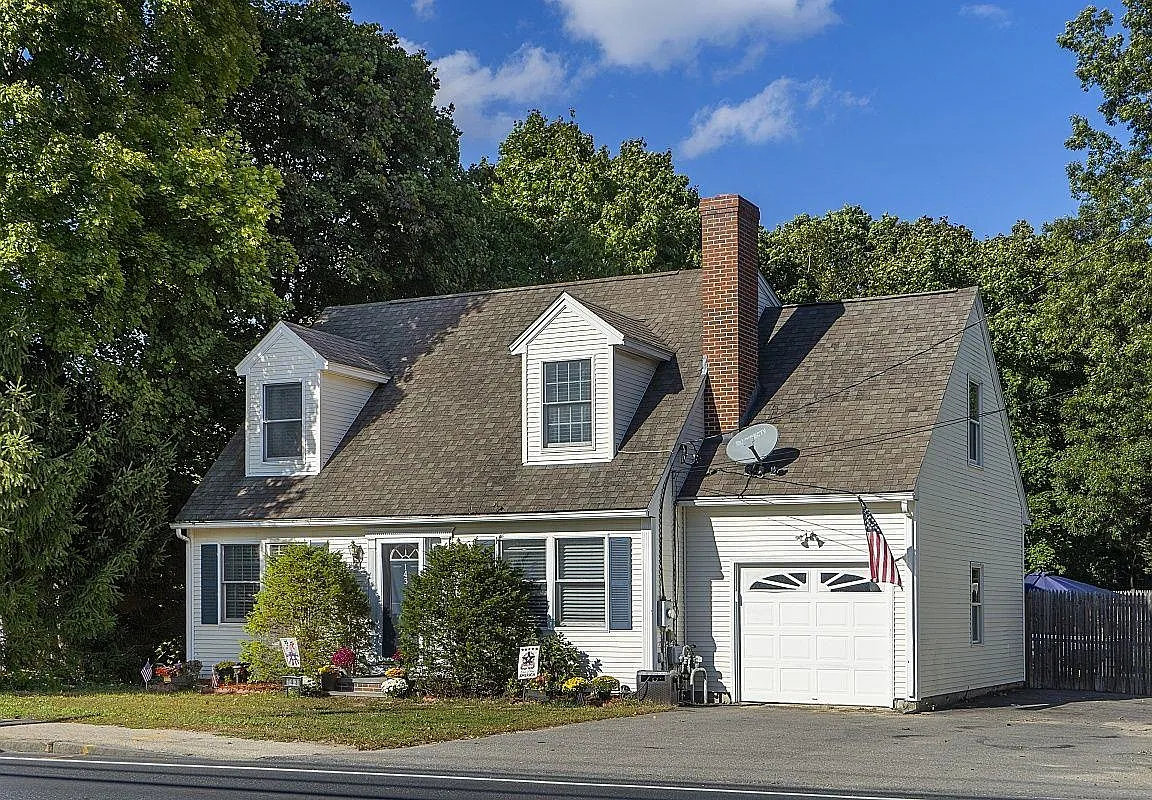
Early recovery can be one of the most vulnerable times in a person’s life. While treatment provides the foundation for healing, many people benefit from a safe, structured environment before fully returning to independent living. That’s where sober living homes in NH play a vital role. These homes provide stability, accountability, and community support — all essential elements for building lasting sobriety.
At Jeffrey’s Mission, we understand the importance of having reliable resources available for this step. This page is designed to help individuals and families learn more about sober living homes in NH, how they work, and where to begin if you’re exploring this option.
Sober living is not one-size-fits-all. These resources can help you or a loved one navigate options and find the right environment:

For many people, moving directly from treatment back into daily life can feel overwhelming. Sober living homes in NH offer routine, accountability, and peer encouragement that make the transition smoother.
Living alongside others who are also committed to recovery reduces isolation and creates natural support networks. This sense of belonging is one of the strongest predictors of long-term success.

Choosing a sober living home can feel like a big decision. Taking it step by step can help simplify the process:
Determine what level of structure, accountability, and support will be most helpful — from highly structured residences to more flexible environments.
Look at certified sober living homes in NH, speak with current residents if possible, and explore both nonprofit and community-led housing options.
Contact providers directly or connect with organizations like Jeffrey’s Mission for help navigating housing options, financial support, and next steps in recovery.
A sober living home is a recovery-focused residence that provides structure, accountability, and peer support for individuals transitioning from treatment to independent living.
It varies. Many stay for several months to a year, depending on their needs and progress. The goal is to build stability before moving on.
No. Sober living homes are not treatment facilities — they provide housing and peer support, but clinical treatment takes place elsewhere.
Costs vary by location and level of support. Some homes are private-pay, while others may offer sliding scales, nonprofit funding, or scholarships.
Yes. Many sober living programs encourage family connection and provide resources to help loved ones stay engaged in the recovery journey.
Copyright © 2025 All Rights Reserved.